
As artificial intelligence becomes more integrated into search, a growing collection of marketing terms has emerged. Alongside traditional Search Engine Optimization (SEO), businesses are encountering Generative Engine Optimization (GEO), Answer Engine Optimization (AEO), and AI Optimization (AIO). These terms generally describe efforts to improve how businesses and their content appear in AI-powered search results and generated answers. While there are differences in how these technologies present information, the terminology isn't always used consistently, and the emergence of new acronyms doesn't necessarily mean businesses need entirely new marketing strategies.
Google continues to emphasize that established SEO practices remain relevant to its AI-powered search features, including AI Overviews and AI Mode. Although search technology is evolving, the underlying need for search engines to find, understand, and evaluate website content hasn't disappeared.
While these changes deserve attention, they don't necessarily mean businesses need to start over with their digital marketing. Many of the practices that have traditionally supported search visibility remain relevant, including clear website content, accurate business information, search engine optimization (SEO), and an established online presence. AI introduces new opportunities and considerations, but understanding how those developments fit into an existing business strategy is more valuable than simply adopting the latest tools or recommendations.
AI Marketing Doesn't Replace the Basics
AI has made many marketing tasks faster and more accessible. Businesses can use it to research keywords, develop content, analyze performance, and automate activities that previously required considerable time and effort. These capabilities can be valuable, particularly for small businesses with limited staff and marketing budgets. However, the ability to complete a task more efficiently doesn't necessarily mean it's the right task to complete.
Let’s look at a hypothetical service business that wants to attract more customers through Google. Its website may not clearly explain the services it provides, identify the communities it serves, or offer a straightforward way for potential customers to make contact. The business might be advised to publish more articles, target additional keywords, or create AI-generated content to improve its search visibility. While these tactics may have value, they won't address a website that doesn't clearly communicate what the business offers. Improving the existing pages and making it easier for customers to find the information they need should come before creating more content.
The same principle applies to paid advertising and other digital marketing activities. AI-powered tools can automate bidding, recommend changes to campaigns, and identify potential opportunities, but those recommendations still need to be evaluated against the business's goals, costs, and actual results. A platform may identify ways to generate more traffic or conversions without fully understanding whether those outcomes are profitable or appropriate for the business. Without that context, automation can make it easier to spend money or produce more activity without necessarily improving performance.
This is why experience and judgment remain important. Effective marketing requires an understanding of the business, its customers, its financial considerations, and the results it needs to achieve. AI can help analyze information and carry out decisions, but it shouldn't automatically determine which decisions are right. The objective is to use technology to support a sound strategy, not allow the availability of new technology to become the strategy itself.
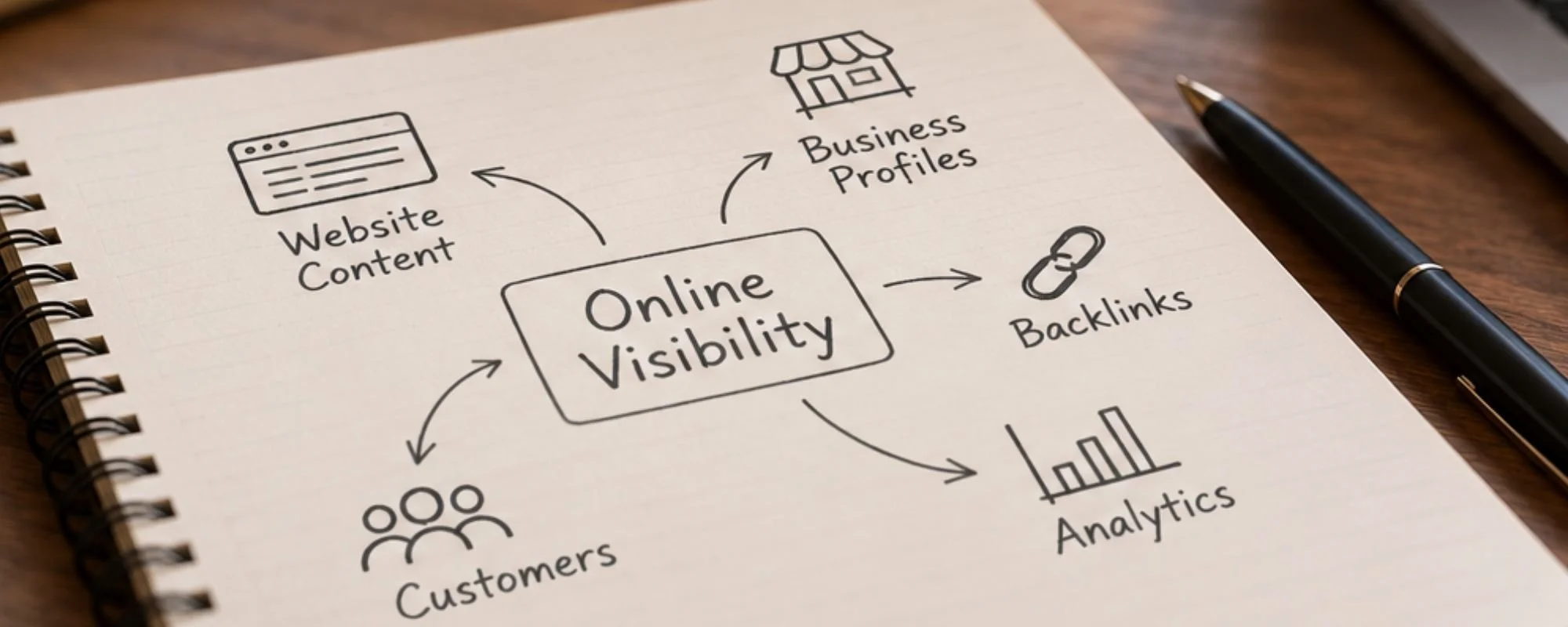
SEO Still Matters in AI Search
Traditionally, someone searching for a product or service might review several search results, visit different websites, and compare the information they found. AI-powered search features can now summarize information and present answers directly within the search experience. This may change which websites people visit and how they discover businesses. As these search experiences continue to develop, it is creating uncertainty about how businesses will measure search visibility and website performance.
Even with those changes, many established SEO practices remain relevant. Businesses still benefit from websites that clearly explain what they offer, use descriptive page titles and headings, and organize information in ways that make sense to visitors. Content should address relevant customer questions and provide accurate, useful information. Search engines also need to be able to access and index appropriate pages, while internal links help establish relationships between different areas of a website.
Google's guidance for its AI search features continues to emphasize established SEO fundamentals rather than requiring an entirely separate set of technical optimizations. Following those practices doesn't guarantee inclusion in an AI-generated answer, just as traditional SEO has never guaranteed a particular ranking. However, maintaining a useful, accessible, and well-organized website provides a stronger foundation than attempting to optimize exclusively for an evolving technology.
For small businesses, the practical takeaway is that improving visibility still begins with understanding what customers are looking for and making sure the website provides relevant information.
A business doesn't need to abandon its existing SEO efforts because AI is becoming part of search. It does need to stay informed about how customer behavior and search results are changing, while continuing to evaluate which improvements make sense for its particular situation.
Building an Online Presence Goes Beyond Backlinks
Backlinks have long been an important part of search engine optimization. When another website links to yours, that link can help search engines discover your content and provide information about its relevance and authority. Earning links from appropriate, reputable sources can still be valuable, but the number of backlinks pointing to a website is only one consideration when evaluating a business's online presence.
Customers encounter and evaluate businesses through many different sources. Depending on the industry, they may find information through Google Search, Google Maps, industry associations, professional directories, customer reviews, social media, or articles that mention a company. These sources serve different purposes, but collectively they contribute to how a business is represented and discovered online.
For example, a local service provider may have a professionally designed website but an incomplete Google Business Profile, outdated contact information in business directories, or very little information about its services available through other relevant sources. Another business may have fewer backlinks but maintain accurate listings, participate in industry organizations, receive genuine customer reviews, and have an established reputation within its community. Each business has a different online presence, and those differences can influence how easily customers find information and decide whom to contact.
It's important to distinguish between the different roles these sources play. Backlinks, business mentions, reviews, and directory listings are not interchangeable SEO ranking factors, nor does having more of them guarantee that a business will appear in an AI-generated response. However, as AI tools increasingly gather and summarize information from different sources, businesses have good reason to pay attention to how accurately and consistently they are represented beyond their own websites.
Building an online presence doesn't require participating in every directory, maintaining accounts on every social platform, or pursuing every available opportunity for a backlink. For most small businesses, a more productive approach is to identify the sources that are relevant to their customers and industry, maintain accurate information, and establish a credible presence over time. The goal isn't simply to accumulate links or mentions, but to make the business easier to find, understand, and evaluate.
What Should Small Businesses Focus On?
With so much attention on AI and changing search technology, small business owners may feel pressure to continually adjust their marketing strategies. Before investing in new tools or optimization techniques, however, it's important to understand how customers find and choose your business, what's already working, and where improvements would make the greatest difference.
Rather than chasing every new recommendation, businesses should focus on a few important areas:
Understand how your customers find you. A local service provider, an eCommerce retailer, and a professional services firm may all benefit from search visibility, but their customers don't necessarily search, compare options, or make purchasing decisions in the same way. Understanding those differences should influence where you invest your marketing time and budget.
Make better use of what you already have. Many businesses have websites, Google Business Profiles, analytics, and other digital marketing tools that could be working harder for them. Our Google Visibility Tool Check can help you identify which Google tools and visibility fundamentals you have in place and what may need attention. Improving existing website content, correcting inaccurate business information, or understanding why visitors aren't becoming customers may be more valuable than adding another tool or marketing initiative.
Measure results that matter to your business. Increased impressions, higher rankings, and more website traffic can indicate progress, but they don't necessarily translate into better business results. Consider whether your marketing efforts are generating qualified inquiries, bookings, sales, and profitable customers rather than focusing exclusively on visibility metrics.
Evaluate AI recommendations before acting on them. AI can help with research, analysis, content development, and marketing automation, but not every suggestion is appropriate for every business. Consider why a change is being recommended, what it will require, and how it supports your business goals before putting it into practice.
The most effective approach isn't necessarily to do more marketing or use more technology. It's to understand your business, establish meaningful priorities, and make informed decisions about where your efforts will provide the greatest value.
The Fundamentals Still Matter
AI is changing how people find and evaluate businesses, but the fundamentals of online visibility haven't disappeared. Clear website content, sound SEO practices, and accurate information across relevant profiles, listings, and other sources still matter. Backlinks remain valuable, but they're one part of building a broader online presence.
AI can make marketing work faster and more efficient, but it won't correct a weak foundation or replace the experience and judgment needed to make good decisions. Before adopting another tool or optimization strategy, businesses should understand what's already working, address what needs improvement, and focus on efforts that support their goals.
Not Sure Where Your Google Visibility Stands?
At Opposite of Work, we help small businesses evaluate their online visibility, understand their existing marketing tools, and identify practical opportunities for improvement. Our approach considers the business as a whole, including its customers, marketing goals, and the resources available to support those efforts.
If you're unsure where to begin, try our Google Visibility Tool Check. This guided self-assessment helps you review which Google tools and visibility fundamentals you already have in place and what may deserve additional attention.
You can also schedule a conversation to discuss your business and its online visibility.